
Complete guide
Green Coffee Supplier Guide: Buying Direct from Colombia
How to buy Colombian green coffee direct from the farm: samples, cupping, FOB quotes, shipping and FDA rules, written for small specialty roasters in the US.
Updated October 1, 2026 · 11 min read
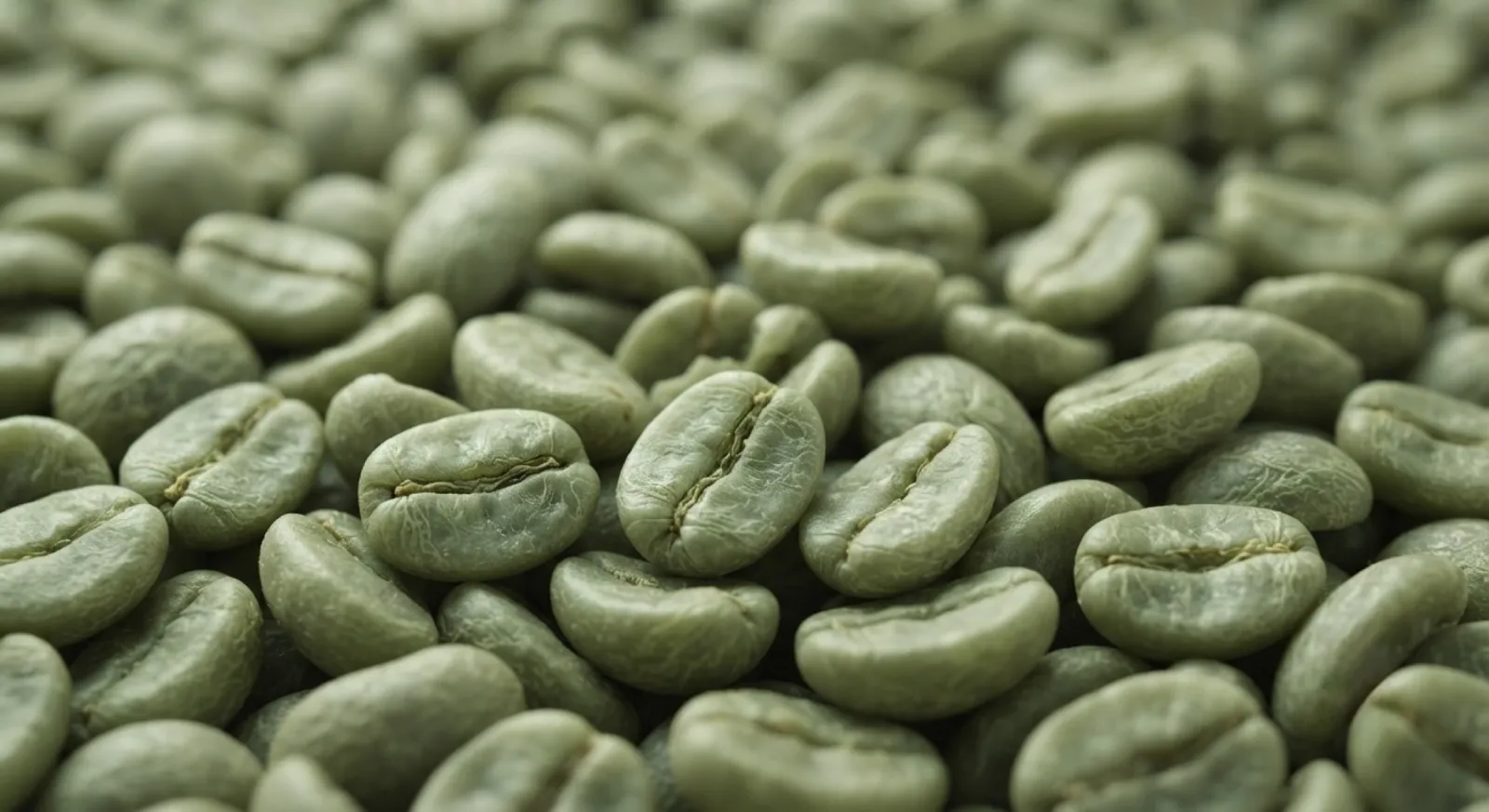
A green coffee supplier sells you unroasted coffee: an importer with stock in a US warehouse, an exporter at origin, or the farm itself. Buying direct from a Colombian farm means you request a sample, cup it, get an FOB quote for the lot, then arrange freight, customs and FDA prior notice on your side.
The guide below is written for a small specialty roaster in the United States. It covers what each kind of supplier does, how to judge a sample, what an FOB price includes and leaves out, and what the FDA expects from food imports. Regulatory points are orientation, not legal advice: confirm every shipment with your customs broker.
What does a green coffee supplier do, and which kind fits you?
Most roasters buy from one of three places, and the difference is who holds the coffee and who carries the import work.
| Supplier type | Where the coffee sits | Price you usually see | Who handles import | Best for |
|---|---|---|---|---|
| US green coffee importer | In a US warehouse, already cleared | Delivered or ex-warehouse, per bag or box | The importer | Small, frequent buys and fast restocks |
| Exporter at origin | In the producing country | FOB, per lot | You or your importer | Planned buys of a specific origin |
| Farm direct | At the farm or its dry mill | FOB, per lot | You or your importer | Traceability to one farm and a direct relationship with the grower |
A green coffee importer is the easy path when you roast a few hundred pounds a month. You pick from spot lists, the coffee is already in the country, and you pay a landed price. The trade-off is distance: you know the country and region, sometimes the cooperative, and often not much more.
Buying farm direct puts you closer to the people who grew the coffee. You can ask the producer how the lot was picked and dried, cup the same farm year after year, and tell your customers exactly where the beans came from. In exchange, you take on part of the logistics, or you pay an importer to clear the coffee for you. Many small roasters do both: core blends from an importer's spot list and one or two single-farm coffees bought direct. If you want the commercial side of that relationship in more depth, read our guide to direct trade coffee and microlots.
How does buying green coffee direct from a Colombian farm work?
The sequence is the same whether you buy one lot or ten. Each step has a document or a decision attached to it.
- Request a sample and the spec sheet. Tell the producer your roast style, the volume you are considering and when you need the coffee. Ask for the spec sheet with the sample, not after.
- Cup it on your own table. Roast the sample the way you would roast production coffee and cup it next to a coffee you already buy. Your cupping matters more than the producer's score.
- Ask for an FOB quote per lot. The quote should name the lot, the port of shipment, the bag type and the validity date of the price.
- Agree terms in writing: payment schedule, the pre-shipment sample you will approve, what happens if the arrival sample does not match, and who books freight.
- Ship and clear. Your freight forwarder books the cargo, your customs broker files the US entry, and someone files FDA prior notice before arrival.
- Cup the arrival sample. Compare it with the approved pre-shipment sample before you roast the first batch for sale.
The steps are ordinary. Where farm-direct buying goes wrong is when a step is skipped: no pre-shipment approval, a price with no validity date, or nobody assigned to prior notice.
How should you evaluate a green coffee sample?
Start with the paperwork, then roast. A spec sheet from a serious producer tells you the variety, the processing method, the growing altitude, the farm and region, the harvest period, and grading data such as moisture, screen size and defect count. If any of those are missing, ask before you cup. You cannot compare two samples fairly if you do not know how they were processed.
Process matters as much as variety. A natural and a washed coffee from the same farm can taste like two different origins, and they behave differently in the roaster. Our guide to natural process coffee explains what changes in the cup and why. Variety matters too: Caturra, for example, has its own habits on the farm and in the cup, covered in our Caturra coffee profile for roasters.
When you cup, use the same protocol every time. The Specialty Coffee Association now evaluates coffee with its Coffee Value Assessment, which separates descriptive assessment (what the coffee tastes like) from affective assessment (how much the cupper likes it) and adds extrinsic information such as origin and producer. You do not need to adopt the full system to borrow the idea. Write down what you taste before you decide whether you like it, and keep the notes for every sample, so next year you can compare the new crop with this one.
A few practical habits help a small team:
- Roast two batches of the sample at different development times. A single roast can hide a good coffee.
- Cup blind against a reference coffee you know well.
- Ask for a pre-shipment sample from the actual lot you will buy, not from a similar lot.
- Keep a small part of the approved sample sealed until the coffee arrives, so you can cup it next to the arrival sample.
What does an FOB price include, and what does it leave out?
FOB (Free On Board) means the seller's price covers the coffee delivered and loaded at the named port of shipment, cleared for export. From the moment it is on board, freight, insurance, US import costs and inland delivery are yours. An FOB quote from Colombia is the starting point of your landed cost, not the end of it.
On the Colombian side, the export work behind an FOB price is regulated. According to the Federación Nacional de Cafeteros (FNC), anyone who wants to export green or processed coffee must register in the national registry of coffee exporters, and that registration has no cost. The same page states that every coffee shipment bound for export must travel with a transit guide issued by the FNC or Almacafé, which supports the traceability and legality of Colombian coffee.
To get from FOB to a landed cost per pound, add:
- Ocean or air freight to the US port
- Cargo insurance
- Customs broker fees and any duties or fees your broker tells you apply
- Inland trucking from the port to your roastery or to a warehouse
- Warehouse fees if the coffee waits before delivery
- The cost of money: payment terms decide how long your cash is tied up before you can roast and sell
Ask every supplier the same question: what is the price, on which Incoterm, at which port, valid until when? Two quotes are only comparable once they are on the same basis.
Can a small roaster buy less than a container?
Yes, but the route changes with the size of the order. A full container makes sense for large roasters or importers. A small roastery usually buys a few bags or a pallet, and there are three common ways to do that with a Colombian coffee.
The first is to buy through a US importer that consolidates coffees from several producers into one container and sells them in smaller units. The second is to share freight with other roasters through a forwarder. The third applies to very small volumes: the FNC runs a small-quantity export program that covers up to 60 kg of green coffee, shipped through registered courier and postal operators such as DHL, FedEx and UPS. The exporter must be registered with the FNC, and on the program's page the coffee contribution for green coffee is listed at 6.00 US cents per pound. That route is useful for trial quantities, though your customs broker still needs to confirm what the US side requires for that shipment.
Whatever the route, ask early how the coffee will be packed. Bag type changes how well the coffee holds up in transit and in your storeroom.
What does the FDA require when you import green coffee?
Green coffee is food under US law, so FDA import rules apply to it. Four points matter for a roaster buying direct. This is a summary of FDA material, not legal advice: confirm the details for each shipment with your customs broker.
Prior notice before the coffee arrives
The FDA must receive and confirm prior notice of imported food before it reaches the first US port. Its prior notice guidance sets these minimum lead times:
| How the coffee arrives | Prior notice must be confirmed |
|---|---|
| By water | No less than 8 hours before arrival |
| By air | No less than 4 hours before arrival |
| By land, rail | No less than 4 hours before arrival |
| By land, road | No less than 2 hours before arrival |
| By international mail | Before the food is sent |
Notice can be filed no more than 30 days ahead through CBP's ABI/ACS, or no more than 15 days ahead through FDA's Prior Notice System Interface (PNSI). The same guidance says samples sent for quality assurance or market research also need prior notice, and that food offered for import with inadequate prior notice is subject to refusal and, if refused, must be held at the port of entry unless directed elsewhere. Decide in writing who files it: your broker, your importer or you.
Food facility registration
According to an FDA fact sheet on food facility registration, domestic and foreign facilities that manufacture, process, pack or hold food for consumption in the United States must register with the FDA unless an exemption applies. Establishments that meet the definition of a primary production farm are among the exemptions, while a farm that also carries out activities outside the farm definition can be a "mixed-type facility" that must register. Registration is renewed every other year. The FDA reminded facilities on September 29, 2026 that this renewal window runs from October 1 to December 31, 2026, that there is no fee, and that registrations not renewed by December 31, 2026 will be considered expired. In practice, ask your supplier which registered facility (a dry mill or export warehouse, for example) will appear on your shipment.
Foreign Supplier Verification Program (FSVP)
Under the FSVP rule, the FSVP importer is the US owner or consignee of the food at entry, or, if there is none, the US agent or representative of the foreign owner. That importer has to verify that its foreign suppliers produce food with the same level of public health protection US rules require. The rule has modified requirements for very small importers: for human food, an importer averaging less than $1 million per year, adjusted for inflation, in food sales combined with the US market value of food it imports or holds without sale. FDA's inflation-adjusted cut-off for the 2023 to 2025 average is $1,372,952. If you are the consignee on a farm-direct shipment, this obligation can land on you, so ask your broker how it applies.
No FDA approval of importers
The FDA's page on importing food products into the United States states that the agency is not authorized to approve, certify or license individual food importers, products, labels or shipments. Be wary of any supplier or service that promises "FDA-approved" coffee.
What should you ask any green coffee supplier before you commit?
Whether you buy from an importer, an exporter or a farm, the same questions sort out who can deliver what they promise:
- Which farm, which region and which grower produced this lot, and can you show it on a map?
- What variety and what processing method is it, and when was it harvested?
- Can I get a pre-shipment sample from this exact lot?
- Is the price FOB, ex-warehouse or delivered, at which port, and until what date is it valid?
- What are the payment terms, and what happens if the arrival sample does not match the approved one?
- Who files FDA prior notice, and which registered facility appears on the shipment?
- How is the coffee packed for transit?
A supplier who answers these in writing and without hesitation is easier to work with than one with a lower price and vague answers.
What does CORA offer roasters in the United States?
CORA offers traceable, single-estate green coffee to roasters outside Colombia. All of it comes from one farm, not from a blend of origins: a farm in the vereda (hamlet) Chuscal, in the municipality of Balboa, Risaralda, at 4.93256° N, 75.97761° W. The growers are Fernain de Jesús Hernández, known as Eché, and his wife María Idalba Vélez. You can read their story on our about page.
Balboa sits in Colombia's Coffee Cultural Landscape, a Unesco World Heritage site. The municipality has 800 coffee-growing families across 23 hamlets, and coffee shares the land with sugarcane, plantain, beans and corn.
The variety is Caturra. The Caturra we sell roasted in our Colombian shop is grown at 1,600 meters above sea level and cupped at 82.5 points, inside the specialty range of 80 and above on the SCA scale. In that cup we note sweet panela fragrance, milk chocolate and caramel sweetness, light chamomile and hazelnut notes, a delicate body and a clean finish. For an export lot, rely on that lot's spec sheet rather than on the shop coffee's numbers.
What roasters get from us:
- Samples and spec sheets for roasters
- An FOB quote per lot, on request
- Traceability to the farm, the hamlet, the coordinates and the grower
Details on how we work with international buyers are on our export page.
How do you start?
Request a sample and spec sheet, roast it your way and cup it next to a coffee you already know. If it earns a place on your menu, ask for the FOB quote for that lot and line up your customs broker before you confirm the order. You can request a CORA sample here.
Keep reading
For roasters
Caturra Coffee: A Variety Profile for Roasters
Caturra is a compact Bourbon mutation with medium yield and good quality at altitude. A profile for specialty roasters, with a Colombian lot at 1,600 m.
For roasters
Direct Trade Coffee and Microlots: How to Buy Them
Direct trade has no official definition, and a microlot is a size, not a score. Here is how roasters can tell real traceability from a label and compare offers.
For roasters
Natural Process Coffee: What It Is and How It Changes Taste
Natural process coffee dries whole cherries, which gives a sweeter, fuller, fruitier cup. How it compares with washed and honey, and what roasters should check.