
For roasters
Caturra Coffee: A Variety Profile for Roasters
Caturra is a compact Bourbon mutation with medium yield and good quality at altitude. A profile for specialty roasters, with a Colombian lot at 1,600 m.
Updated October 1, 2026 · 5 min read
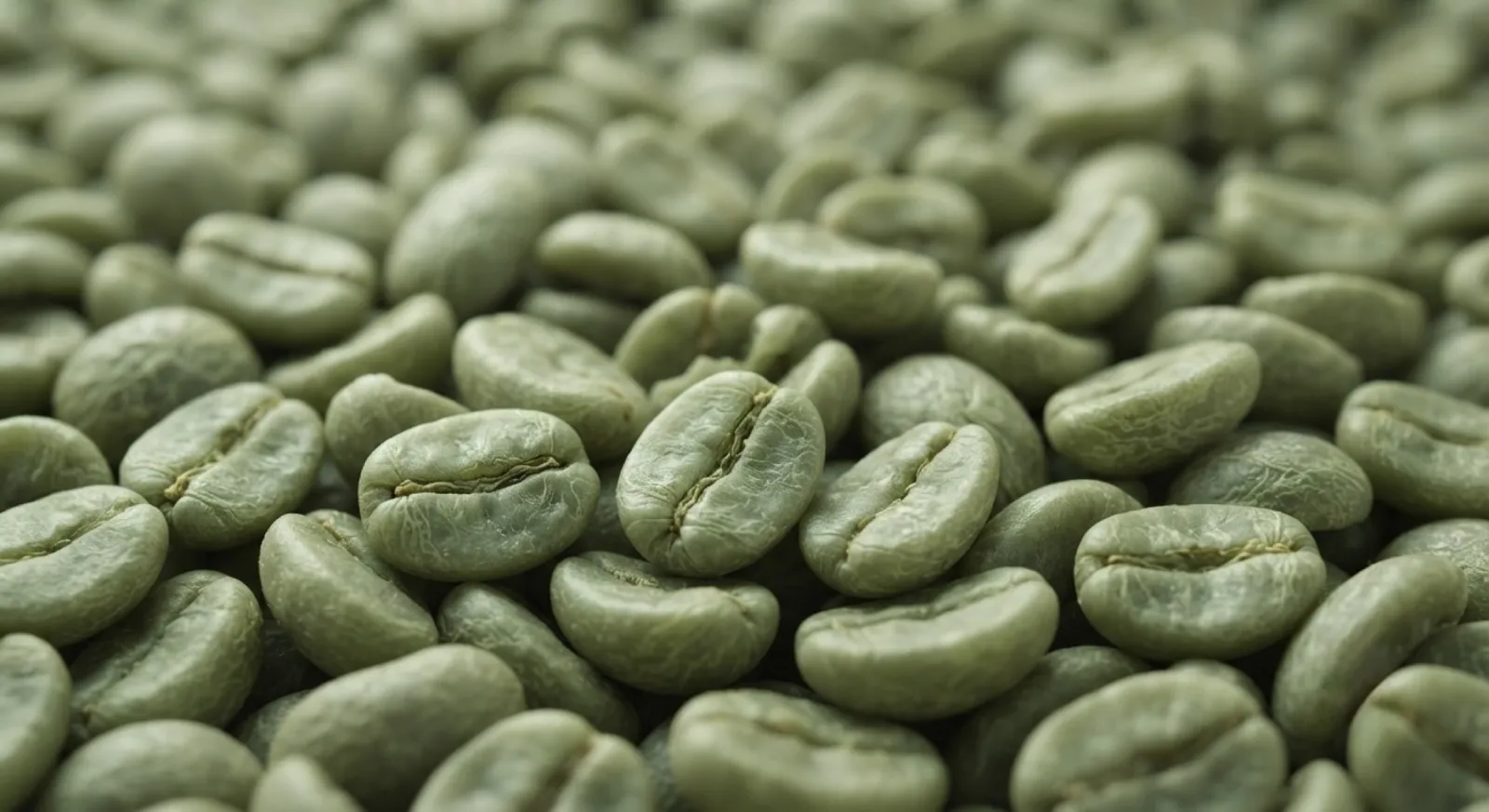
Caturra is a dwarf Arabica variety, a natural single-gene mutation of Bourbon found in Minas Gerais, Brazil, between 1915 and 1918. According to World Coffee Research, it has medium yield potential and good quality potential at high altitude. It is also susceptible to leaf rust. For a roaster, that means a sweet, balanced coffee that depends heavily on where it is grown.
Where does Caturra come from?
Caturra appeared on a plantation in the state of Minas Gerais, Brazil, sometime between 1915 and 1918. World Coffee Research (WCR) lists it as a natural mutation of Bourbon, caused by a single gene that makes the plant grow smaller. Breeders call that trait dwarf or compact stature.
The name comes from a Guarani word meaning "small", and the plant is also known as Nanico. The Instituto Agronômico (IAC) in Brazil began selecting from it in 1937. It reached Central America in the 1940s, and WCR notes that wide adoption in Guatemala, Costa Rica, Honduras and Panama came decades later.
Why did it spread? The small plant can be planted densely. WCR gives a planting density of 5,000 to 6,000 plants per hectare with single-stem pruning, and says it starts producing in year 3.
What are the agronomic traits that affect what you buy?
Here is what WCR records for Caturra, and what each trait means on your side of the supply chain.
| Trait (WCR) | Value | What it means for a buyer |
|---|---|---|
| Stature | Dwarf / compact | Dense planting, easier picking |
| Yield potential | Medium | Not a high-yield variety; plan for it in your volumes |
| Bean size | Average | Standard screen, no surprises in the hopper |
| Quality at high altitude | Good | Altitude matters: ask for it on the spec sheet |
| Altitude requirement (latitude 5-15 degrees N/S) | High, above 1,300 m | Low-grown Caturra is a different coffee |
| Coffee leaf rust | Low resistance, susceptible | Farm management and harvest quality carry more weight |
| Nutrition | High requirement | A well-run farm shows in the cup |
Rust susceptibility is the variety's main weakness, and WCR also lists it as susceptible to nematodes and coffee berry disease. A grower who still plants Caturra has to manage those risks. It is a fair question to put to any supplier: how do they handle them, and what does that do to consistency from harvest to harvest?
How does Caturra behave in the cup?
Do not expect a novelty coffee. Caturra is a mainstream variety, and what it offers a roaster is a dependable base to build a menu around. The profile you get depends on the farm.
Two things move the cup more than the variety does: altitude and processing. WCR rates the quality potential as good at high altitude, which is why the elevation of a lot belongs next to the variety name on any offer sheet. Processing changes the profile again. A natural Caturra tends toward sweetness and fruit, while a washed one is cleaner and brighter. The natural process article on this blog covers that trade-off in detail: Natural Process Coffee: What It Is and How It Changes the Cup.
How does Caturra roast?
Treat Caturra as a forgiving, mainstream Arabica. WCR lists average bean size and average ripening, so you are not working with an unusual density or an uneven lot by default. A few practical points:
- Start from your usual profile for a mid-density Arabica, then adjust after a cupping, not before.
- A medium roast leans into the caramel and chocolate side of the coffee. A lighter roast shows more of the acidity, if the lot has it.
- Cup the roast ladder on a sample before you commit. A variety is a starting point, and the lot decides the rest.
None of these are WCR figures. They are a way to use the variety information, and your own roasting data should override them.
What is CORA's Caturra like?
CORA's Caturra grows at 1,600 m above sea level on a single farm in the vereda Chuscal, in Balboa, Risaralda, Colombia. The farm is run by Fernain de Jesús Hernández, known as Eché, and his wife María Idalba Vélez. The coffee is not a blend of several origins.
The Caturra sold in the CORA store is a natural process coffee with a medium roast, and it scores 82.5 points in the cup on the SCA scale, where 80 and above is specialty. The store lists these tasting notes: a sweet fragrance of panela, milk chocolate and caramel sweetness, light notes of chamomile and hazelnut, a delicate body and a clean finish. You can see it on the product page: Caturra from the CORA store.
WCR sets the high-altitude threshold for Caturra at above 1,300 m (for latitudes 5 to 15 degrees north or south), and 1,600 m is well above that figure. That is the pairing the variety profile says to look for: Caturra, grown high.
For roasters outside Colombia, CORA offers traceable single-farm green coffee, with samples and technical sheets, and FOB quotes per lot on request. The farm, vereda, coordinates and growers are all documented. For the wider picture of buying from Colombia, read the guide: Colombian Green Coffee for Roasters: Sourcing Direct from the Farm.
How do you evaluate a Caturra lot before buying?
Ask for five things, and expect a straight answer to each:
- The altitude of the farm, not just the region.
- The processing method of that specific lot.
- The cupping score and who scored it.
- The farm and grower, so the lot can be traced.
- A sample, roasted and cupped on your own equipment.
Keep the sample roast notes next to the sheet. Over several harvests they show you whether a farm delivers the same lot twice, which is worth more to a menu than a single high score. The sample matters most. Numbers on a sheet tell you what to look for, and the sample tells you whether the coffee fits your menu. If you want to cup CORA's Caturra yourself, you can request a sample and we will send it with the technical sheet.
Keep reading
Complete guide
Green Coffee Supplier Guide: Buying Direct from Colombia
How to buy Colombian green coffee direct from the farm: samples, cupping, FOB quotes, shipping and FDA rules, written for small specialty roasters in the US.
For roasters
Direct Trade Coffee and Microlots: How to Buy Them
Direct trade has no official definition, and a microlot is a size, not a score. Here is how roasters can tell real traceability from a label and compare offers.
For roasters
Natural Process Coffee: What It Is and How It Changes Taste
Natural process coffee dries whole cherries, which gives a sweeter, fuller, fruitier cup. How it compares with washed and honey, and what roasters should check.