
For roasters
Direct Trade Coffee and Microlots: How to Buy Them
Direct trade has no official definition, and a microlot is a size, not a score. Here is how roasters can tell real traceability from a label and compare offers.
Updated October 1, 2026 · 5 min read
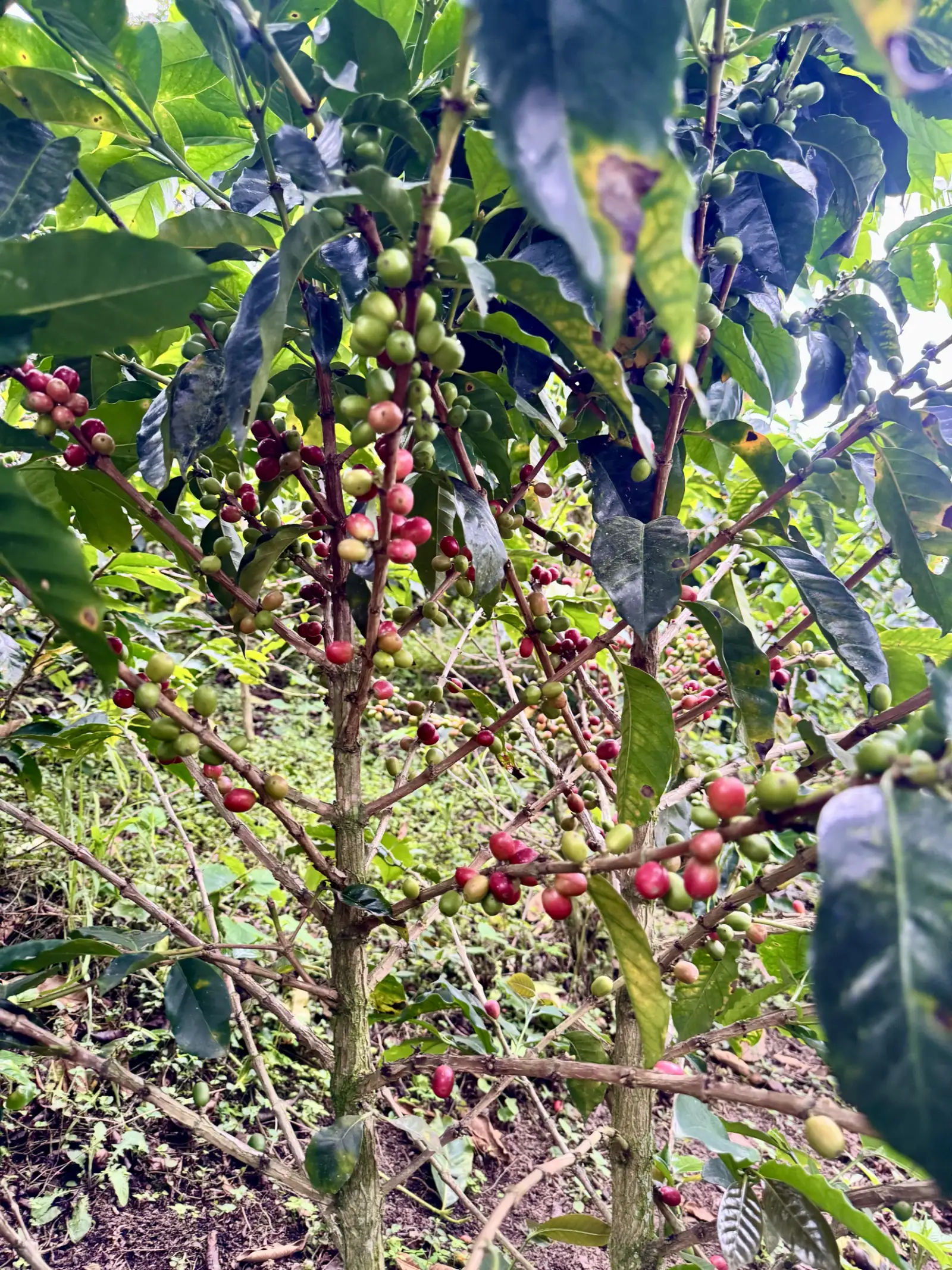
Direct trade coffee is green coffee a roaster buys through direct contact with the producer, tasting samples and agreeing on a price together. No standard or certifying body defines the term, so the label proves nothing by itself. A microlot is a small, separately processed lot, often 7 to 50 bags. Ask for proof: farm, producer, and a sample.
What is direct trade coffee?
Direct trade means the roaster deals with the producer directly: tasting offer samples, discussing the coffee and settling the price. The idea is a shorter chain between farm and cup, so more of the money and more of the information travel with the coffee.
The catch is the word itself. Direct trade has no standardized definition and no body that certifies it. Wikipedia's entry on direct trade puts it this way: there is no single set of standards, and practices vary with the priorities of each roaster. It also notes that a lack of third-party accountability is a common criticism.
For a buyer, that changes the question. Stop asking "is it direct trade?" and start asking what exactly you can verify.
What direct trade is not
Direct trade is not a certification. It is not the same thing as a third-party certification such as Fair Trade. And it does not guarantee a better price for the farmer or a better cup for you. It is a way of buying, described by whoever is selling.
Three things a "direct trade" label does not tell you:
- Whether you or the seller ever spoke with the producer.
- Whether the farm is named, or only the country is.
- Whether the price was negotiated for this lot or taken from a commodity table.
If the seller cannot answer those in writing, treat the label as marketing.
How is direct trade different from buying through an importer?
With an importer, the importer handles the contract with the producer, the export paperwork, the shipping and the arrival in the US. You buy from a catalog or an offer list, usually by the bag or pallet, and the producer is a name on a spec sheet, if that.
With direct trade, you talk to the producer, taste their samples and negotiate the lot. You also take on more of the work: logistics, timing and paperwork. Royal Coffee advises roasters to ask an importer about its capacity to manage a consolidated shipment before committing, and to ask the producer whether they have experience with direct trade and how far they can help.
| Through an importer | Direct trade | |
|---|---|---|
| Who you talk to | Importer's sales team | Producer or the farm's seller |
| Samples | From the offer list | Sent by the producer |
| Logistics | Handled for you | Yours, or arranged with a forwarder |
| Traceability | Depends on the offer | Depends on the producer |
| Effort | Lower | Higher |
Neither route is better in itself. Many roasters use both: an importer for volume and direct relationships for the coffees they care most about.
What is a microlot?
A microlot is coffee from a specific plot or a single farm, picked and processed separately from the rest. Microlots are sold in bags, not containers, and the word describes size and traceability: you can usually get the farm name, producer, elevation, variety and processing method.
Do not read it as a quality grade. Royal Coffee is explicit that microlots "do not equal high cup quality but often go hand in hand." There is no minimum score in the definition. Taste the coffee and look at the cupping sheet.
Microlots also tend to be priced differently. Royal Coffee notes that these coffees are sold at fixed prices rather than as differentials to the commodity market.
How do you ask for samples and compare offers?
Ask every seller for the same things, then compare them side by side.
- Ask for the facts in writing: farm name, village, producer, elevation, variety and process.
- Request a sample from the lot you would buy. A pre-shipment sample or a different lot from the same farm is not the same coffee.
- Cup them blind, all at the same roast and on the same day, using the cupping protocol your lab already follows. The SCA now uses its Coffee Value Assessment, which superseded the 2004 cupping protocol.
- Ask what the price includes: FOB or landed, packaging, who pays freight, who files the import paperwork.
- Ask how much is available and when, so you know if you can reorder the same lot.
- Check the answers against each other. A producer who named the farm and coordinates is easier to verify than one who gave a region.
For regulatory questions on importing food into the US, read the FDA's guidance and confirm details with your customs broker.
What does traceability look like at CORA?
CORA sells green coffee from a single farm, not a blend of origins. The farm is in the vereda Chuscal, municipality of Balboa, Risaralda, Colombia, at 4.93256° N, 75.97761° W. The growers are Fernain de Jesús Hernández, known as Eché, and his wife María Idalba Vélez. The variety is Caturra.
That is the traceability we offer to roasters abroad: farm, village, coordinates and the people who grow it. You can read more on the farm and its story. The region sits inside the Coffee Cultural Landscape of Colombia, a UNESCO World Heritage site.
We do not claim a number we cannot back up. We do not publish export minimums, a green price or certifications here. For international buyers we send samples and technical sheets, and we quote FOB per lot on request. The Caturra we sell in our own shop grows at 1,600 meters and scored 82.5 points on the SCA scale. That is the shop product, not an export lot, so ask for an export sample to taste what you would buy.
What should you do next?
Pick two or three coffees you are considering and ask each seller for the same list of facts. Request samples of the exact lot. Cup them together, then compare prices on the same terms.
If you want to include CORA, request a sample or see how we work with international roasters on our export page. For the wider picture of buying from Colombia, start with our guide to Colombian green coffee for roasters.
Keep reading
Complete guide
Green Coffee Supplier Guide: Buying Direct from Colombia
How to buy Colombian green coffee direct from the farm: samples, cupping, FOB quotes, shipping and FDA rules, written for small specialty roasters in the US.
For roasters
Caturra Coffee: A Variety Profile for Roasters
Caturra is a compact Bourbon mutation with medium yield and good quality at altitude. A profile for specialty roasters, with a Colombian lot at 1,600 m.
For roasters
Natural Process Coffee: What It Is and How It Changes Taste
Natural process coffee dries whole cherries, which gives a sweeter, fuller, fruitier cup. How it compares with washed and honey, and what roasters should check.